A Fair Exchange
Nov. 25, 2026

Since 2003, European Talent Exchange (in short: Exchange) has been matchmaking the continent’s most exciting emerging acts with some of its best-known festivals. Under the programme, all artists who have performed at ESNS, the Groningen-based conference and showcase, are eligible to be booked by 213 festivals such as Coachella (US), Primavera Sound (ES) and Sziget (HR).
According to ESNS Radar data, 2,563 European artists from 36 countries have performed 6,352 shows at partner festivals in 48 countries – creating an ecosystem that’s beneficial to both talent and events. According to participating festivals, one of the programme’s biggest advantages is enabling them to discover and book burgeoning artists before they break intentionally. Romania’s Electric Castle has booked more than 50 acts through Exchange including IDLES, Altın Gün, AURORA, Tommy Cash, Wet Leg, Priya Ragu, Viagra Boys, Deki Alem, and Fat Dog.
Explains Edmond Lenarth, head of booking and festival programmer, Electric Castle. “That creates a deeper level of trust between the audience and the festival itself. Over time, it helps build credibility that you are not simply following trends, but actively supporting and introducing future headline artists at an early stage in their journey.”
Marcella Campo from Italy’s Ypsigrock – which has booked around 43 acts through Exchange between 2017 and 2026 – adds that early access to breaking talent gives the festival a competitive edge. “Being part of the programme allows us to intercept new voices, new sounds and new scenes while they are still developing, and to bring them to our audience before they become part of a more obvious festival circuit,” says Campo. A particularly meaningful success story for Ypsigrock involved bringing Fontaines D.C. to Italy for the first time in 2019, via European Talent Exchange
“That booking was especially memorable because it perfectly reflected one of the things we care about most: identifying artists at a very early stage, before they become widely established, and presenting them to our audience in a special and intimate context,” adds Campo. “Looking back, it was one of those moments when the festival’s role as a tastemaker became very tangible.”
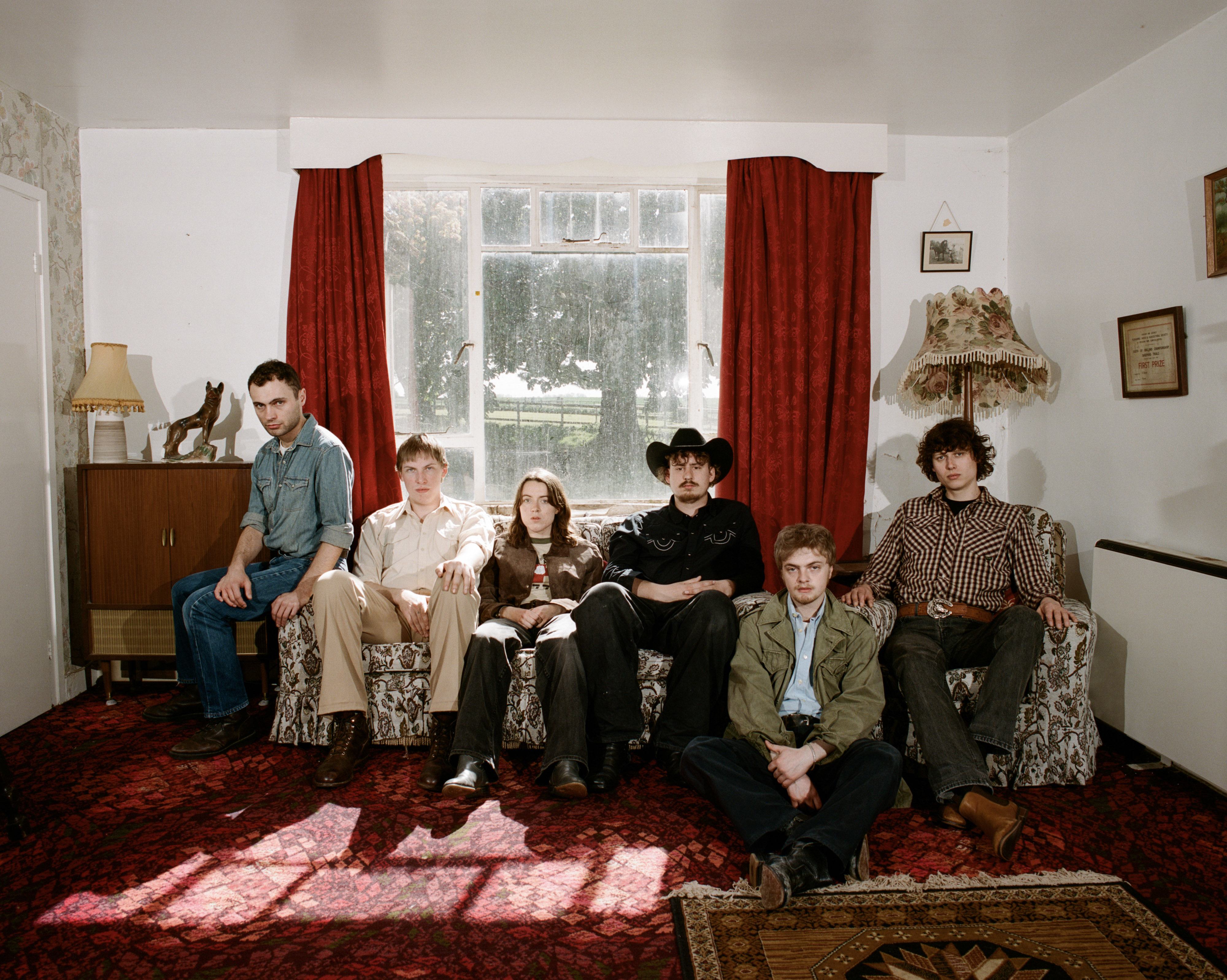
Ahead of the curve
With ESNS taking place each January – and showcase artists announced several months earlier – festivals have a head start on identifying trends and securing bookings for the summer season.
“This gives us a clear overview, already between autumn and winter, of many of the artists who are likely to circulate across European festivals in the following months and during the next summer season. It allows us to observe emerging trends, identify interesting scenes and discover artists who might still be less visible but have strong potential,” says Campo.
“From a booking perspective, this timing is extremely valuable. It helps us approach the summer season with a more informed strategy and gives us the chance to move early on acts that feel particularly aligned with Ypsigrock’s identity.”
Thomas Sønderby Jepsen, head of music for Roskilde Festival, which has booked 8–10 artists through European Talent Exchange, adds: “Through ESNS and its network, you can get a curated overview of acts gaining traction across borders, which makes the process quite straightforward and easy to integrate into our booking workflow.
In the pipeline
In addition to facilitating artist discovery, the programme also encourages talent development via repeat bookings. Electric Castle’s Lenarth says that this is one of the most “rewarding” aspects of the process.
“We often book artists for the first time in smaller slots or on secondary stages, then invite them back as their connection with the audience grows and their careers develop internationally. Aurora, Noga Erez, or Deki Alem are such examples,” he says. “Seeing that progression unfold across multiple editions is incredibly rewarding from a festival perspective. Those long-term artist journeys play an important role in shaping both the identity and the musical narrative of a festival.”
Some of the greatest benefits of the programme, for participating festivals, relate to being part of a trusted and financially subsidised ecosystem. “In smaller or developing markets [like Romania], taking risks on new international artists can sometimes be financially challenging, so having that ecosystem around the programme gives festivals greater confidence when booking emerging talent,” Lenarth comments.
Ypsigrock’s Campo adds: “It’s also a way to stay connected to the wider European music ecosystem, discover new artistic directions and strengthen the role of festivals as active players in the circulation of emerging talent.”